All Categories
Featured
Steps to Expand Your Restaurant Brand
Table of Contents
We talked a little bit before we began about LinkedIn, and I've got a post teed as much as follow this next week about what the playbook is likepoint by pointfor growing a business. To me, among the crucial things, and I feel very fortunate, is that both brand names I've been included with are distinct.
And there's absolutely nothing precisely like Chop Shop in terms of what we're finishing with a big, diverse menu. The majority of brands today are really singularly focused in terms of what they're using from a food item. I seem like we began at an advantage with both brands by having something unique that filled a niche no one else was doing.
Since it's just more difficult to stick out when there are 10, 20, 50 principles within a 2- or three-mile radius attempting to do the specific very same thing. So a great deal of it begins with the brand name. Does your brand have something special that nobody else is doing? That's uncommon.
The 2nd thingI originated from a finance background, so a lot of my learnings are more finance and data-driven versus a great deal of early start-up restaurateurs who are innovative types. They love the food, they built the menu, they constructed the brand. I most likely couldn't do that from scratch. If you gave me something that has all those parts in location, I can take it from there and put the playbook in location.
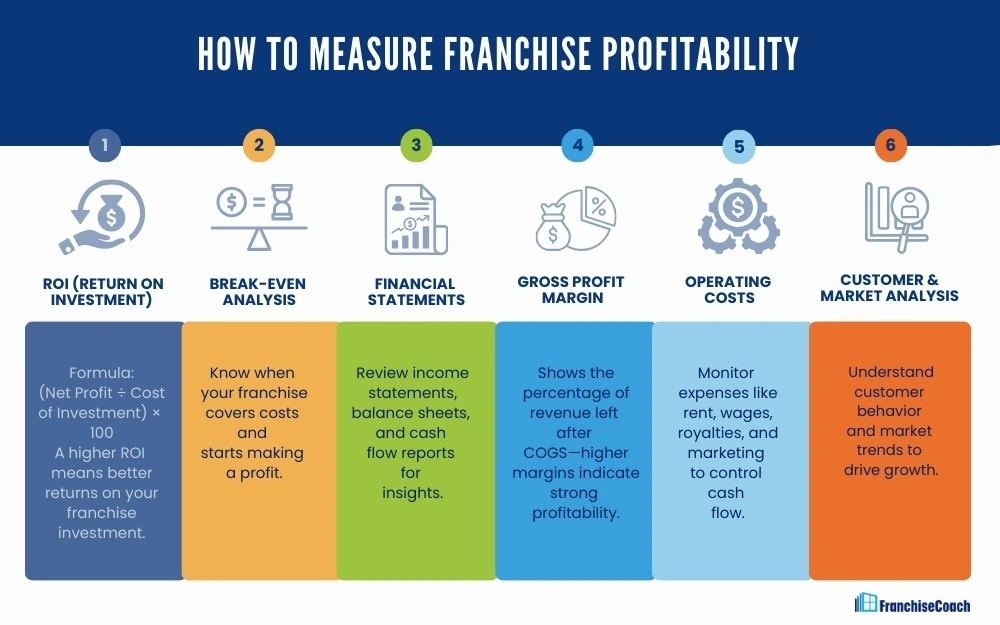
They do not know their breakeven sales. They do not understand how margin enhances as sales boost. They do not comprehend cash-on-cash returns. I've seen numerous business where the numbers simply don't work. And yet individuals state: let's open 10 more. And I'll say: why? It doesn't earn money. Stop. You need to discover a principle that is distinct.
Top Investment Opportunities in 2026
If you don't have those 2 things, you shouldn't be developing stores. Because as I hear your description, you've highlighted 3 things: execution, brand name differentiation, and monetary viability.
Second, you require a compelling brand or special idea that resonates with clients. And third, the mathematics has to work. If you don't comprehend your system economics, your fixed and variable expenses, you may be broadening blind and losing cash. Precisely. And another essential lesson is about going into brand-new markets.
When we broadened to Dallas, I expected new shops to do 5070% of Phoenix sales in the very first year. A lot of operators presume brand-new markets will open at full volume the first day. That practically never occurs. And when the shops open slow, but you've signed leases and constructed a financial model based upon higher volumes, you get overextended.
Otherwise, they get rose-colored glasses about success in the home market and assume it will translate rapidly. You discussed anticipating 5070% volumes. That's sobering. I have actually even seen cases where it's simply 2530% at launch. It highlights how critical capital structure is. Yes. Many small development concepts like ours rely on equity, not debt.
The Benefits of Restaurant Franchising in 2026
You need equity sponsors who believe in the vision and the team. Another lesson: you need to open four to 6 shops in a brand-new market within 2 to 3 years. That's costly, however it produces vital mass, develops awareness, and validates above-store leadership. Without it, you stay sluggish and unprofitable.
At Chop Shop, we intentionally developed strong bases in Phoenix and Dallas initially. That provided us the profitability to hold up against slow starts in Houston and Atlanta. And we were lucky that Dallasour 2nd marketwas likewise where our team lived. Having the whole team in-market to support stores, hire, and make sure culture was huge.
People frequently undervalue how important team is to scaling. Our group took all the things we disliked from previous jobsfeeling underappreciated, underpaid, growth-stifledand built the opposite culture here.
Corporate Updates: Regional Milestones for 2026
Otherwise, they get rose-colored glasses about success in the home market and presume it will translate quickly. You pointed out anticipating 5070% volumes. I have actually even seen cases where it's simply 2530% at launch.
You require equity sponsors who think in the vision and the group. That's expensive, however it creates critical mass, develops awareness, and validates above-store management.
And we were lucky that Dallasour second marketwas also where our group lived. Having the whole team in-market to support stores, hire, and make sure culture was big.
People often undervalue how critical team is to scaling. Our group took all the things we hated from past jobsfeeling underappreciated, underpaid, growth-stifledand constructed the opposite culture here.
Otherwise, they get rose-colored glasses about success in the home market and presume it will translate quickly. You mentioned expecting 5070% volumes. I've even seen cases where it's simply 2530% at launch.

Restaurant Industry Shifts Redefining 2026
You require equity sponsors who think in the vision and the team. Another lesson: you require to open four to six stores in a new market within 2 to three years. That's costly, but it creates critical mass, constructs awareness, and justifies above-store management. Without it, you remain sluggish and unprofitable.
And we were lucky that Dallasour second marketwas likewise where our group lived. Having the entire group in-market to support shops, hire, and make sure culture was big.
People typically undervalue how crucial team is to scaling. Our team took all the things we hated from past jobsfeeling underappreciated, underpaid, growth-stifledand developed the opposite culture here.

Latest Posts
Is Scaling a Wise Move?
Major Regional Expansion Milestones for 2026 Brands

Why Fast Casual Market Value Is Surging